The Tiffin Club — 03.13.2026
As winter loosens its grip and March begins to stir, let me tell you this week’s story through food.

Namaskar
This Week’s Tiffin

The Story
Memory isn’t a place we return to. It’s a reconstruction — a dish we remake each time we touch it. Memories are not stored like video files. Every time we reach for a memory, the brain rebuilds it, often modifying details based on where we’re currently standing. A detail softens. A color deepens. A scent reappears that wasn’t there before.
Memory is not preservation. Memory is creation.
It is a creation often built in chorus. In the villages of Yemen, this was the sound of women calling across courtyard walls, their hands stained yellow with turmeric as they debated the “true” ratio of a family’s hawaij. Decades later, the same debate continued — only the location changed. It moved to the echo of Israeli apartment stairwells. The voices remained the same, insistent and songlike, negotiating how much cumin or black pepper was required to summon a home that no longer existed on a map.
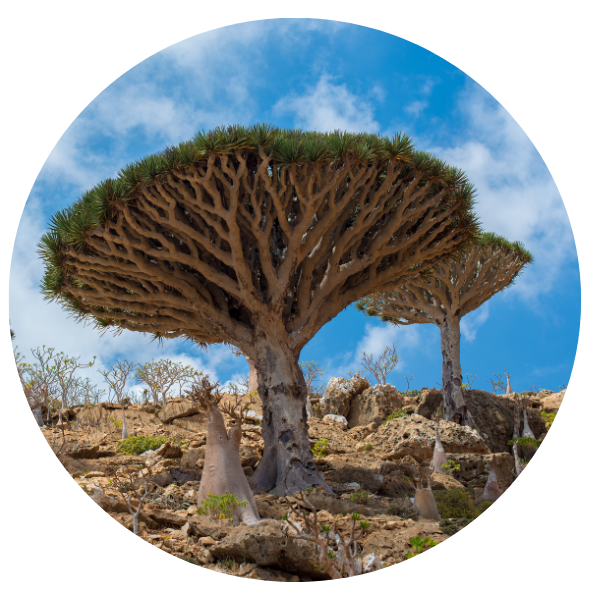
Yemen was known as the Hidden Kingdom. For over 2,500 years, Yemenite Jews lived in southern Arabia in relative isolation. They kept their identity alive in kitchens scented with turmeric, fenugreek, and fire. Their recipes were remembered, not written, handed down generation to generation, maintaining a direct link to ancient traditions.
And when exile came — again — they carried almost nothing.
How do you pack for exile?
Somehow you always manage to carry the things that matter: your songs, your prayers, your stories, and the knowledge of how to build a meal that tastes like home.
But home changes when the land changes. In Yemen, Marak Temani might have been made with hulba foam, or with a sharper edge of hawaij, or with whatever vegetables were available that season. In Israel, the ingredients shifted. Different chickens. Different soil. Different hands stirring the pot.
And so the dish transformed — not as a betrayal of the past, but as a way of keeping it alive. Every bowl became a newly rebuilt memory, adapted to a new world.
I think about that often — how food survives migration. How it bends but does not break. How a dish can become an anchor when everything else has been uprooted.
And I think about my own memories in the kitchen — how sometimes the story I tell myself about childhood changes when I revisit it. How the scent of smoke can awaken something I had forgotten, and how the sound of cumin sizzling in oil can sharpen a moment.
We don’t remember the past. We reassemble it. Piece by piece. Flavor by flavor. Moment by moment. A little more turmeric in one version, a little more light in another.
Maybe that’s why diaspora food tastes the way it does — not like the old country, not like the new country, but like the bridge between them. It is memory made edible.
And as I contemplated the offering for this week, I thought of all the families who once stood in their kitchens—rebuilding what could never be returned to, honoring what could not be carried whole, keeping alive what distance and history tried to erase.
Memory
This is not my memory, it is the memory of a people from one of the oldest Jewish communities in the world, whose roots in the southern Arabian Peninsula date back to biblical times.
Marak Temani is a tale of migration, ancient heritage, and the preservation of culture through flavor.
Spice Lore
Hawaij traveled with Yemeni traders along the Indian Ocean routes, and to understand the lore of Hawaij is to understand the history of Yemen as the “Spice Gateway” of the ancient world.
There is a story that Solomon dispatched Jewish soldiers and their families to the southern tip of the Arabian Peninsula to protect the valuable spice caravans passing through the land of Sheba. Whether this story is history or myth, it reveals something true about the region: spices were wealth, identity, and power — worth defending with entire communities.
Cut off from Jerusalem after the First Temple was destroyed, these “Guards of the Spice Route” settled in Yemen. They didn’t just protect the spices; they became masters of them. Hawaij was born from this isolation — a blend created from the “necessities” (hawaij in Arabic) at this global crossroads where Indian turmeric met Arabian cardamom.
Notes from the Kitchen
Sauté the spices in oil first. Let them bloom. Let them speak. Water or broth should only be added after they have released their oils.
Thoughts
(Some spices are familiar though you’ve never met.)
May the warmth settle into the places you didn’t know were cold.