SWEET SHELF
Resilient kitchens need sweets but not disruptions.
Article No. 6
Sweetness is not the enemy.
It is one of the oldest human comforts — found in fruit, roots, honey, and sun-warmed fields.
The problem is not sugar itself, but how far it has been stripped from its source.
This shelf returns sweetness to its natural form.
SWEETENERS THAT SUPPORT YOU
These sweeteners retain minerals, enzymes, and fiber that slow absorption and protect blood sugar.
Your gentle anchors.
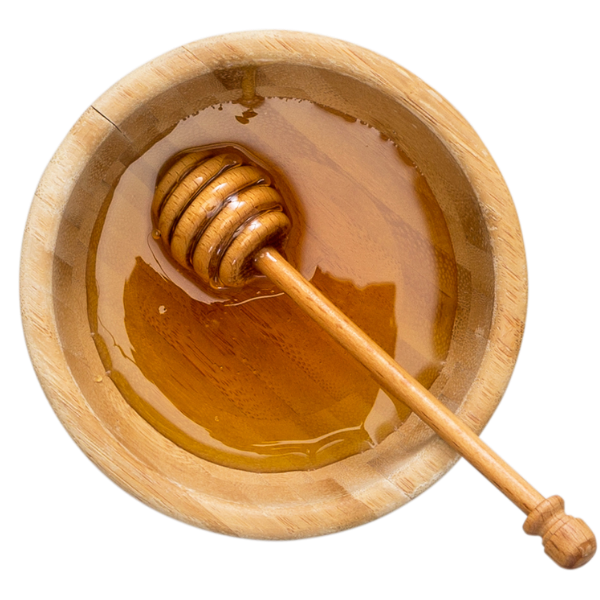
- Raw honey – this is more than simple carbohydrate. It retains enzymes that help with digestion. Scientifically speaking its high polyphenol content offers microbial properties that supports the gut line in making it a functional food, rather than just sugar.
- Maple syrup – the grade a dark maple syrup is harvested later in the season and contain higher concentration of manganese and zinc. Studies have identified over 24 different antioxidant in pure maple syrup.
- Dates & Date Syrup – These represent the “whole food” gold standard. Because the fruit is simply ground or concentrated, the insoluble fiber remains intact. This fiber acts slows the enzymatic breakdown of sugar and preventing the “crash” associated with regular sugar.
- Coconut Sugar – Coconut sugar is often cited as having a lower glycemic index, with studies showing a range of 35 to 54, generally classified as low-to-medium GI. White table sugar typically has a GI of 60–65, meaning coconut sugar causes a slightly slower rise in blood sugar.
- Molasses – A brief explanation – Unsulphured vs. Sulphured
sun-ripened sugarcane is used to make Unsulphured molasses. It does not require preservative.
It has a Glycemic Index (GI) of approximately 55, which is considered moderate.
Sulphured molasses on the other hand is treated with sulfur dioxide and is often made from unripe cane. It also leaves a chemical aftertaste.
Because it has less sugar than refined sweeteners and a high mineral content, it causes the blood sugar to rise slower compared to table sugar.
Diabetic Caution: Despite the lower GI, it is not a “free” food for diabetics and can still cause significant blood sugar spikes, behaving very similarly to cane sugar in terms of blood glucose impact.
Tip: a little food combination can work wonders. Pair sweets with fat or protein and it softens blood sugar spikes.
From a holistic perspective, when we choose sweeteners that retain their minerals and fiber, we’re really choosing to support our overall well-being — not just lighting up the pleasure centers in our brain
USE WITH AWARENESS
Let’s take a brief look into sweeteners that are still sugars but with a lower glycemic index or that are more complex thus breaks down differently in your system.
Let’s step into the territory of brown rice syrup, agave, and fruit concentrates.
- Brown rice syrup – also known as rice malt syrup, is a liquid sweetener made by breaking down the starches in cooked brown rice. It was created specifically for use as a fructose free alternative to sugar or corn syrup.
- Agave syrup – is roughly 1.4 to 1.6 times sweeter than table sugar, allowing for smaller quantities to be used to achieve the same sweetness levels. It is derived from the juice of the agave plant. It is a vegan alternative to honey and has a very low Glycemic Index (GI), typically ranging between 10 and 27.
- Fruit concentrates – primarily used as natural sweeteners in the food industry. The glycemic index of fruit concentrates is typically medium to high, generally ranging between 47 and 70+ depending on the fruit type and processing.
DISRUPTIVE SWEETENERS
Highly refined sugars spike blood sugar and drain minerals:
- White sugar
- High fructose corn syrup – I could actually write pages on this one very dangerous sweetener.
This is very controversial in the food industry.
One of the dangers come from the way HFCS interacts with your body because primarily it is the liver that is doing the work when you ingest anything that has high fructose corn syrup.
It is responsible for non-alcoholic fatty liver disease. linked to over eating, diabetes, obesity, inflammation, and gout. - Artificial sweeteners and “Zero-calorie” chemical substitutes

WHY WHOLE SWEETENERS MATTER
Choosing a whole plant/whole sweetener product rather than an isolated extract means you are getting the complete synergy of the plant as nature created it. And this enables the full spectrum of compounds to work together.
- Slower absorption
- Fewer energy crashes
- Reduced inflammation
They feed the body without overwhelming it.
SWEETNESS IS A TOOL
Sweetness is not nourishment – even though some sweeteners have nutritional benefits – it should be used in the context of your daily sugar intake.
BE KIND TO YOUR BODY
Gentle sweetness supports:
- Hormonal balance
- Nervous system regulation
- Energy stability
Choose what soothes, not what spikes.
NOTES
To keep sweetness supportive:
- Use less than you think you need.
- Combine with fats or protein.
- Taste slowly.
Pleasure can be gentle.
Reflection
Sweetness is meant to comfort, not consume.
The goal of the Resilient Table isn’t necessarily to be “sugar-free,” but to be sugar-stable.
SUGGESTED READING
For those who want to understand sweetness, blood sugar, and food as nourishment:
- *Metabolical* — Robert H. Lustig
- *The Case Against Sugar* — Gary Taubes
- *Eat to Beat Disease* — Dr. William Li
- *The Art of Fermentation* — Sandor Ellix Katz
- *Deep Nutrition* — Dr. Catherine Shanahan
“Sources”
→ Next Series → Return to The Resilient Table